Water Purification Systems: How to Maintain Safe and Clean Drinking Water
Water filtration systems serve a critical role in providing safe and purified drinking water. Many households face various contaminants that can compromise water quality. Being aware of these risks is an important first step. Ranging from bacteria to heavy metals, the variety of pollutants vary widely. Selecting a suitable purification method can have a major impact on health and safety. However, how can one navigate the available options? Reviewing the necessary steps can offer clarity and direction.
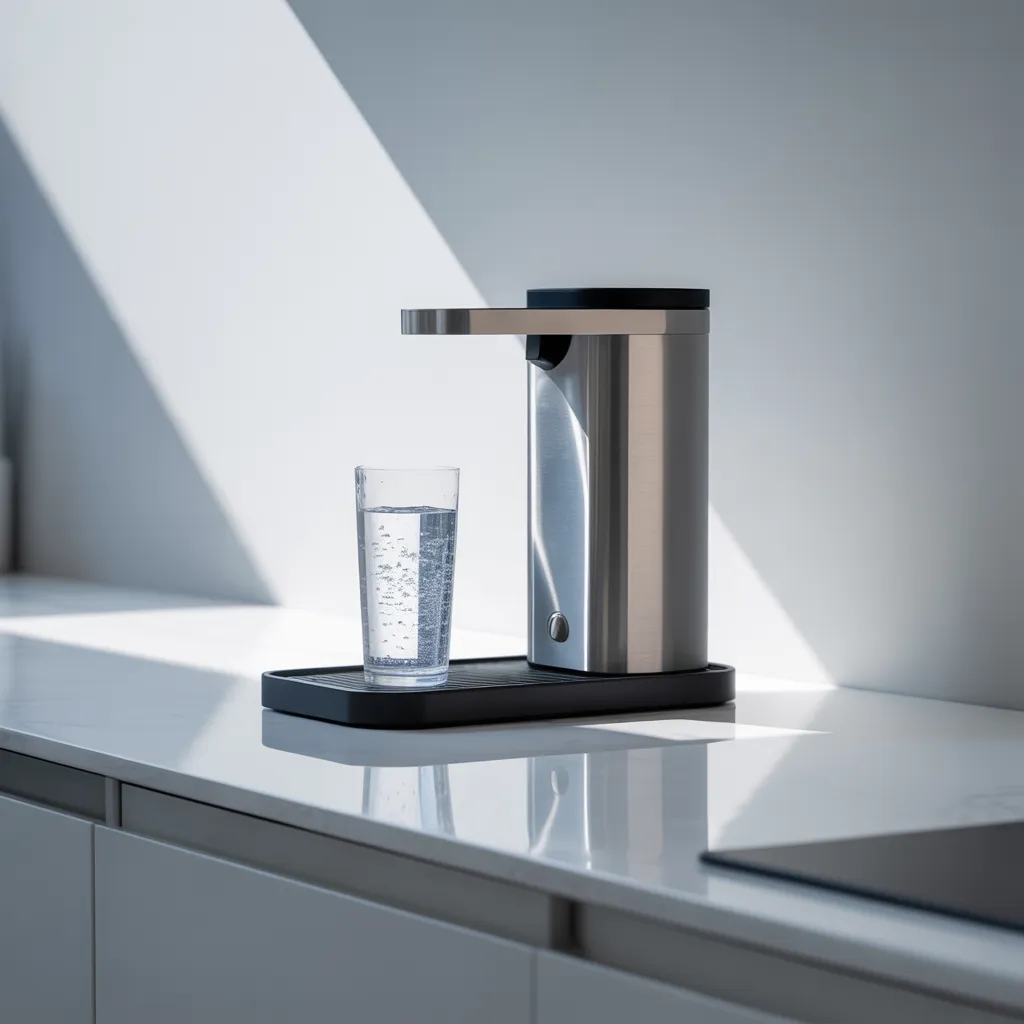
Grasping the Significance of Water Purification
As consciousness of these concerns increases, so does the demand for reliable water filtration systems. These systems are designed to filter out harmful substances, ensuring that water is fit for drinking and regular use. From basic filtration units to sophisticated purification methods, a wide array of solutions have been developed to address specific contamination issues. Investing in water purification is not simply an individual decision; it is a vital action toward protecting wellbeing and encouraging environmental responsibility in an increasingly polluted world.
Recognizing Contaminants in Your Water
How can individuals guarantee the safety of their drinking water? Detecting contaminants plays a vital role in maintaining clean and safe water for consumption. Numerous elements can degrade water quality, including bacteria, heavy metals, pesticides, and industrial chemicals. To identify these harmful substances, people can make use of water testing kits, which are widely accessible and offer a simple approach to evaluation.
Moreover, professional laboratory analysis provide a deeper assessment, determining specific contaminants and their concentrations. Regular testing is suggested, above all for residential wells or locations with existing contamination problems.
Individuals are also advised to stay informed about local water quality reports, which commonly identify possible pollutants in public water systems. By understanding the precise dangers associated with their water supply, residents can make informed decisions about required filtration techniques and ensure the health and safety of their drinking water.
Summary of Common Water Purification Technologies
Water purification systems play a vital role in providing safe and clean drinking water. Common methods include activated carbon filtration, which effectively removes impurities, reverse osmosis units that purify water by targeting contaminants at the molecular level, and UV disinfection processes that neutralize harmful pathogens and microorganisms. Each technology offers distinct advantages tailored to specific water quality challenges.
Active Carbon Filtration
Activated carbon filtration efficiently eliminates contaminants from water, establishing it as a widely used solution in purification systems. This technology utilizes activated carbon, a material with an extensive surface area that adsorbs contaminants such as chlorine, volatile organic compounds, and some heavy metals. The process enhances taste and odor, considerably improving water quality. It is widely used across multiple environments, including residential filters, municipal water systems, and industrial facilities. While activated carbon filtration is effective against many pollutants, it may not remove all pathogens or dissolved minerals. As a result, it is often used in conjunction with other purification methods to guarantee thorough water treatment. Periodic replacement of carbon filters is critical to sustain performance and prevent the proliferation of bacteria within the filtration system.
Reverse Osmosis Units
Reverse osmosis systems are widely regarded as a remarkably powerful technique for the purification of water, employing a semi-permeable membrane to eliminate numerous contaminants. This method is especially effective at eliminating dissolved solids, heavy metals, and microorganisms, rendering it an excellent solution for improving water quality. The membrane receives water under pressure, permitting only water molecules to flow through while filtering out larger particles and contaminants. The result is purified water that is often free from harmful substances. A wide range of households and industries depend on reverse osmosis systems because of their reliability and effectiveness. Routine maintenance and see the details periodic filter changes are critical to maintaining top performance. Overall, reverse osmosis serves as a cornerstone in modern water purification technologies, contributing greatly to safe drinking water access.
UV Sanitization Approaches
Across different water purification technologies, UV disinfection methods offer a powerful solution for guaranteeing water safety. This method uses ultraviolet light to eradicate harmful microorganisms, including bacteria, viruses, and protozoa. The process involves exposing water to UV-C light, which damages the DNA of pathogens, leaving them unable to reproduce and cause disease. UV disinfection is chemical-free, establishing it as an environmentally friendly option, and it does not change the water's taste or odor. However, it is essential to note that UV systems require clear water to be effective, as turbidity can shield microorganisms from UV contact. Regular maintenance and lamp replacement are essential for peak performance, confirming that the system effectively provides safe drinking water.
How to Pick the Right Water Purification System
Identifying the most suitable water purification system requires assessing the quality of the water being treated. Understanding particular purification requirements is necessary to guarantee effective filtration of harmful substances. This thoughtful method lays the foundation for selecting an suitable system tailored to personal preferences.
Analyze Your Water Quality
What is the best way to determine the appropriate water purification system for their needs? The primary step involves assessing the condition of the water supply. This can be accomplished through water testing, which identifies contaminants such as heavy metals, bacteria, and chemical pollutants. Homeowners may opt for test kits sold at local shops or seek out professional services for thorough analysis. Understanding the specific impurities found within the water is vital, as different purification systems address different contaminants. Furthermore, local water quality reports can provide valuable insight into broader issues affecting community water sources. By gathering accurate information about water quality, individuals can make informed decisions regarding the most appropriate purification system to guarantee safe and clean drinking water.
Identify Your Purification Needs
Following a thorough water quality assessment, homeowners can proceed to pinpoint their unique filtration needs. They should consider elements including the kinds of pollutants detected—whether bacteria, heavy metals, or chemicals are involved—and the quantity of water consumed each day. It is also essential to assess the requirements of the home, including the number of occupants and any particular factors, such as infants or elderly family members. Cost considerations may affect the selection, as various systems may involve larger initial outlays or continuous maintenance fees. Furthermore, it is advisable to assess the setup requirements and available space for the unit. In the end, a thorough grasp of these factors will help people in identifying a water treatment solution that successfully meets their specific water quality needs and daily living demands.
Configuring Your Water Purifying System
Installing a water purification system can be a manageable process when done systematically. To begin, the individual should closely examine the installation manual specific to the chosen system. This confirms that all elements are present and that each step of the installation is comprehended.
Following this, it is essential to choose an ideal location, preferably near a water supply and a power source, if necessary. The fitting generally involves attaching the equipment to existing plumbing, which may call for standard tools such as screwdrivers and wrenches.
Upon securing all connections, the operator must test the system for leaks and proper operation, making sure that all seals are firmly in place. Finally, it is strongly suggested to allow the system to run for a short time before putting it into use to eliminate any residual impurities. Adhering to these steps ensures a successful installation, paving the way for safe and clean drinking water.
Essential Tips for Maintaining Long-Lasting Water Purification
Preserving a water treatment system is crucial for securing its longevity and effectiveness. Regularly checking and replacing filters as outlined by the manufacturer's recommendations can substantially boost performance. Built-up impurities may compromise filtering contributing to lower water quality. Moreover, cleaning the system's components, such as tanks and dispensers, serves to avoid the growth of bacteria and sediment deposits.
Inspecting the system for leaks or unusual sounds is equally important, as these may indicate underlying issues that require urgent action. Keeping the unit in a dry and well-ventilated space can limit damage from moisture and heat. Routinely inspecting and securing connections ensures a secure setup, avoiding water loss while sustaining efficiency. Lastly, recording maintenance tasks establishes a reliable history, making it easier to plan for future needs and replacements. By following these maintenance tips, owners can ensure their water filtration systems run at peak efficiency for the long term.
The Importance of Testing Your Water Regularly
Consistent water testing is a critical aspect of guaranteeing the effectiveness of every water purification system. By routinely analyzing water quality, individuals can identify impurities that may endanger overall well-being. Analysis helps identify hazardous materials such as chemical pollutants, bacteria, and heavy metals, permitting timely intervention before concerns develop further.
Additionally, periodic testing delivers important data on the efficiency of purification systems. Over time, filters and membranes tend to break down, reducing their ability to purify water efficiently. Assessment outcomes can identify needed repairs or enhancements, maintaining top operational capacity.
Moreover, water quality may vary as a result of factors such as seasonal changes or nearby industrial activities. Routine testing helps maintain awareness of these variations, giving people the ability to make educated decisions about their drinking water. Essentially, ongoing water testing works as a precautionary measure to safeguard health and guarantee access to clean drinking water.
Common Questions and Answers
Am I Able to Purify Water From Various Sources, Like Rivers or Lakes?
Indeed, water obtained from lakes or rivers can undergo purification. Nevertheless, proper filtration and treatment techniques are essential to remove contaminants, ensuring the water is safe for drinking and free from harmful pathogens.
What Are the Ecological Effects of Water Purification Systems?
Water filtration systems can lead to habitat disruption, high energy usage, and harmful chemical discharge. Their implementation has the potential to decrease the purity of natural water sources, affecting ecosystems, while improper disposal of residuals poses additional risks to environmental health.
What Does a Quality Water Purification System Cost?
A good water purification system typically costs between $100 and $1,500, subject to the technology and capacity. Variables such as additional features, installation, and upkeep can additionally affect the overall expense for buyers.
Do Water Purification Systems Pose Any Health Risks?
Indeed, there may be health risks linked to the use of water filtration systems, including improper maintenance leading to bacterial growth, chemical contamination from filter materials, and inadequate removal of contaminants. Routine maintenance and regular monitoring are vital for safe operation.
How Much Time Does It Take to Purify Water?
The time required to purify water differs depending on the method used; simple filtration may take minutes, while reverse osmosis systems can take several hours. Factors such as water quality and system efficiency also influence purification duration.
Comments on “Spokane Valley Water Purification Systems for Filtration Solutions”